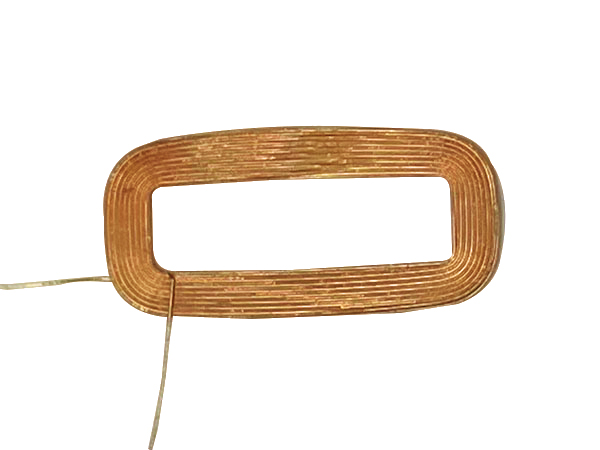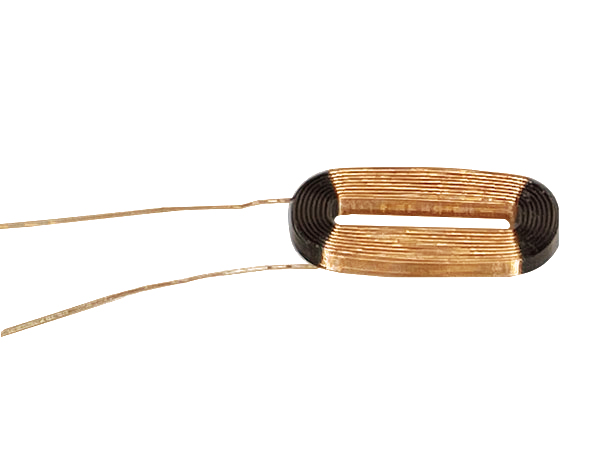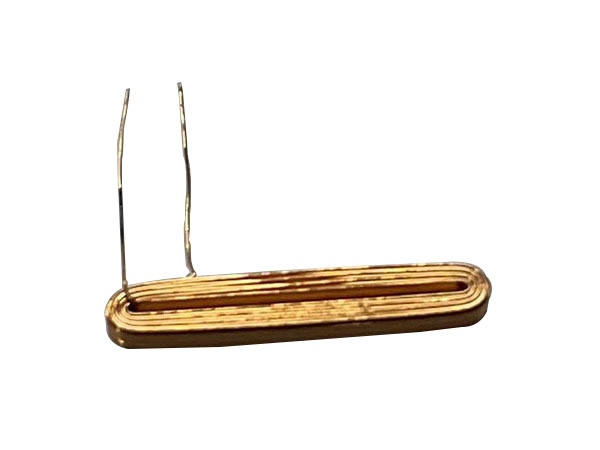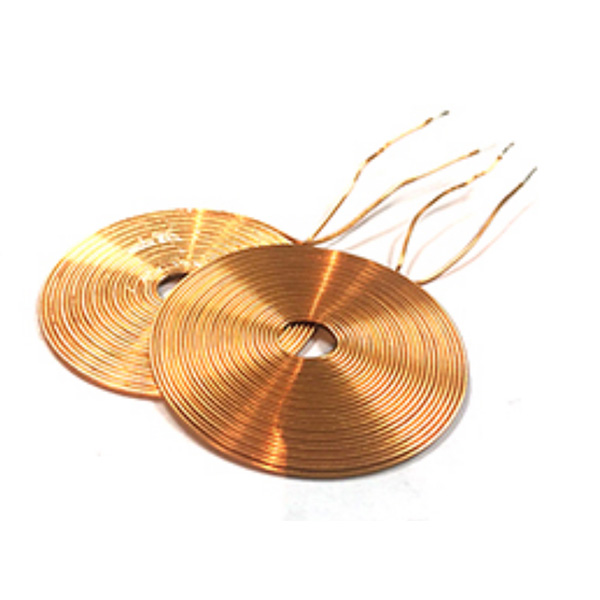


What are the characteristics of an air-core coil inductor? When the current in the coil changes, the air-core coil generates an electromotive force, which resists the flow of current. This concept is quite abstract, so let’s illustrate it with an example.
An inductor is like a spring. When we try to compress a spring, the spring exerts a counteracting force—in other words, the spring's elasticity resists compression. Similarly, the induced electromotive force acts like the spring's counteracting force. When the current in the coil attempts to change, the electromotive force resists it, striving to maintain a relatively balanced state.
If we compress the spring and then release it, the spring returns to its original shape. Does the inductor behave the same way? The answer is yes.
The ability to store energy is another major characteristic of an inductor. When the current in the inductor is too high, the inductor stores some energy to maintain balance. When the current returns to its initial state, the inductor releases some of that energy. Just like a spring stores potential energy, it doesn’t return to its original shape immediately but oscillates back and forth until all the potential energy is released.
Another characteristic of inductors is mutual inductance. The current in one circuit generates a magnetic field, which in turn affects a second circuit. This interaction is called mutual inductance. The most typical application of mutual inductance is the transformer, which we commonly encounter in daily life.





 Home
Home